Conventional Loan
What Is a Conventional Loan?
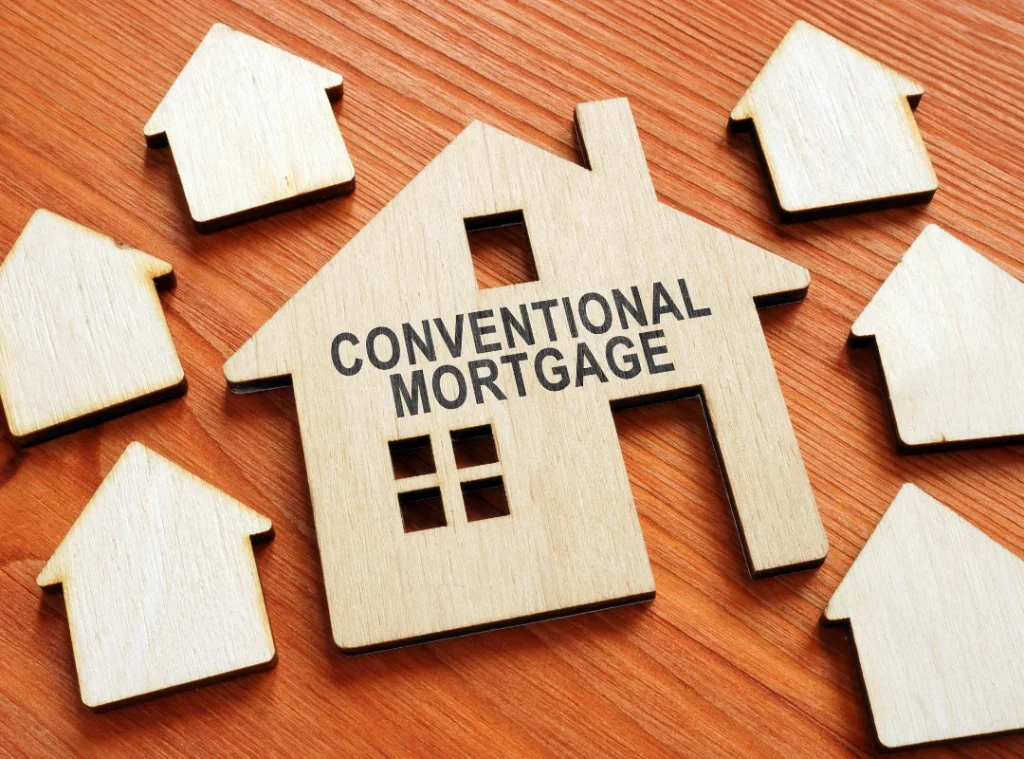
A conventional loan is a mortgage that is not insured or guaranteed by a government agency such as the FHA, VA, or USDA. Instead, these loans are offered by private lenders and typically follow guidelines set by Fannie Mae and Freddie Mac. Because they are not backed by the government, lenders look closely at your credit score, income, and debt-to-income ratio when determining conventional loan requirements.
Conventional loans fall into two main categories:
- Conforming loans: These meet the loan limits and guidelines set by Fannie Mae and Freddie Mac.
- Non-conforming loans (jumbo loans): These exceed the conforming loan limits and are designed for higher-priced homes.
Key Benefits of a Conventional Home Loan
1. Competitive Interest Rates
Borrowers with strong credit often qualify for some of the most low mortgage rates on the market. A higher credit score can translate into thousands of dollars in savings over the life of the loan.
2. Flexible Down Payment Options
Many people believe you need 20% down to qualify. In reality, a conventional loan with low down payment options may allow you to put down as little as 3% to 5%, depending on your qualifications and the loan program.
3. Cancelable Private Mortgage Insurance (PMI)
If your down payment is under 20%, you will usually pay private mortgage insurance. The advantage is that PMI on a conventional loan can be removed once you reach sufficient equity in your home, lowering your monthly payment.
4. Choice of Loan Terms
You can choose from fixed-rate mortgages with 10, 15, 20, or 30-year terms, or an adjustable-rate mortgage (ARM). This lets you match your loan to your budget and long-term goals.
5. Use for Multiple Property Types
Conventional loans can be used for primary residences, second homes, and investment properties, making them a versatile choice for buyers and investors alike.
Conventional Loan Requirements
While each lender has its own criteria, most conventional mortgage approvals consider the following:
- Credit score: A minimum score of around 620 is typical, though higher scores earn better rates.
- Debt-to-income (DTI) ratio: Most lenders prefer a DTI of 45% or lower, although some may allow more with compensating factors.
- Down payment: As low as 3% for qualified first-time buyers, or 5% or more for others.
- Stable income and employment: Lenders verify your work history, pay stubs, and tax returns.
- Property appraisal: The home must appraise at or above the purchase price.
Conventional Loan vs. FHA Loan
Many buyers ask which is better: a conventional loan or an FHA loan. FHA loans are easier to qualify for with lower credit scores, but they require mortgage insurance premiums that often last for the life of the loan if you put down less than 10%. A conventional loan, by contrast, offers cancelable PMI and often lower overall costs for borrowers with good credit. The right choice depends on your credit profile, savings, and long-term plans.
Who Should Consider a Conventional Loan?
A conventional mortgage is ideal for:
- First-time homebuyers with steady income and good credit
- Move-up buyers who have built equity in their current home
- Real estate investors purchasing rental or vacation properties
- Homeowners looking to refinance into a lower rate or shorter term
How to Get Approved for a Conventional Loan
Preparation makes the process smoother. Follow these simple steps:
- Check your credit report and correct any errors.
- Pay down existing debt to improve your DTI ratio.
- Save for a down payment and closing costs.
- Get pre-approved so sellers know you are a serious buyer.
- Compare loan estimates from multiple lenders to find the best rate.
Working with an experienced professional can make each of these steps easier and less stressful.
Why Work with Courtney Kline?
Every borrower’s situation is different, and the mortgage process can feel overwhelming without guidance. Courtney Kline provides personalized support, clear explanations, and a commitment to finding a home loan that fits your goals. Whether you are buying your first home, upgrading to a larger property, or refinancing to save money, we will walk you through every option and answer every question along the way.
Ready to Get Started?
If you are searching for a trusted mortgage professional to help you secure a conventional loan, Courtney Kline is here to help. Contact us today to discuss your goals, review your eligibility, and explore your mortgage loan options.
📞 Call Courtney Kline at +1 719-492-4092
Take the first step toward homeownership today. A conversation with Courtney Kline could be the key to unlocking the home you have been dreaming of.
At Courtney Kline, we help borrowers across every financial situation find the right home financing solution. Whether you’re purchasing your first home or refinancing, our FHA loans offer low down payment options for qualified buyers, while our conventional loan programs provide flexible terms for borrowers with strong credit. Self-employed applicants can benefit from our bank statement loan program, which uses deposits instead of tax returns to verify income, and real estate investors can take advantage of our DSCR loan options, which qualify properties based on rental cash flow rather than personal income. If you’re purchasing your very first property, our first-time home buyer programs are designed to simplify the process and reduce upfront costs. For investors and unique income situations, our no-ratio loan program eliminates debt-to-income requirements entirely, and our broader non-QM loan solutions open the door for borrowers who don’t fit traditional lending guidelines. We also offer specialized P&N loan financing for qualifying applicants, and for homeowners aged 62 and older looking to tap into home equity, our reverse mortgage program provides a reliable path to financial flexibility in retirement.

Understanding Conventional Loan Options
Flexible Financing for Different Homeownership Goals
Benefits of Choosing Nexa Lending
Move Forward With a Financing Strategy
Why Choose Nexa Lending?
At Nexa Lending, Courtney Kline focuses on providing personalized mortgage guidance and helping borrowers understand their available financing options. With a diverse range of loan programs, borrowers can explore solutions designed for different financial situations, homeownership goals, and investment needs.
We are known for
Personalized Guidance
Flexible Loan Options
Clear Communication
Diverse Financing Solutions
"FAQs"
Nexa Lending offers a variety of programs, including Non-QM, DSCR, Bank Statement, P&N, No Ratio, VA, FHA, Conventional, Reverse Mortgage, and First-Time Buyer loans.
Yes. Eligible self-employed borrowers may have access to alternative financing options, including Bank Statement and certain Non-QM programs, depending on their financial profile and program requirements.
A DSCR loan is designed primarily for eligible real estate investors and can evaluate the income potential of an investment property as part of the qualification process rather than relying solely on traditional personal income documentation.
Yes. FHA and VA loan programs are available for eligible borrowers, with specific qualification, property, and program requirements applying to each.
The first step is to discuss your goals and financial situation with Courtney Kline at Nexa Lending. You can then explore available loan programs and determine which options may fit your circumstances.
Find the Right Loan for Your Goals